

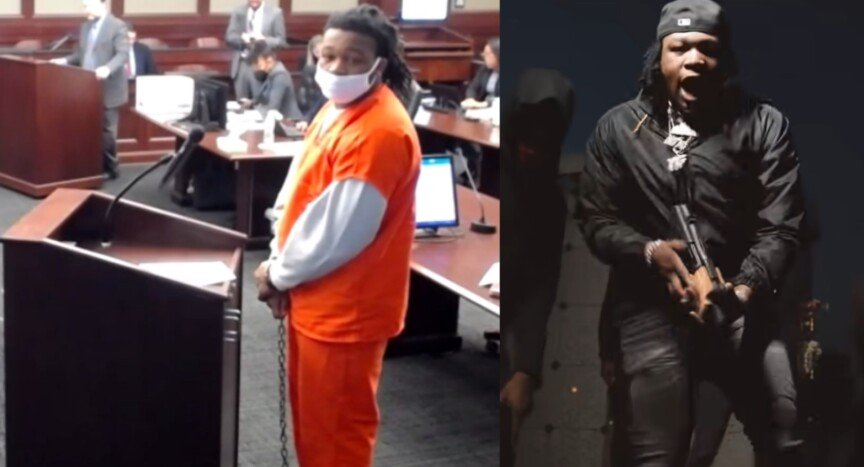
As of October 2025, Jacksonville rapper Hakeem “Ksoo” Robinson and his co-defendant ATK Scotty have been sentenced to life in prison for the 2020 murder of Charles “Lil Buck” McCormick Jr. They were found guilty of first-degree murder, though Ksoo’s defense maintains the conviction is based on “lies and deals — not evidence” and plans to appeal.
Trial Highlights and Key Developments
- Intense Witness Testimony: The trial featured significant witness accounts, including Dominique “Butta” Barner, who testified as part of a plea deal. Witnesses described a man chasing and shooting someone in a parking lot, noting the shooter’s attire (mask, skull cap) and fleeing vehicle. The defense challenged these descriptions, citing height discrepancies and visibility issues, and argued that evidence was misinterpreted.
- Jail Conditions and Civil Claims: Prior to the conviction, Ksoo’s attorneys raised concerns about his housing in Duval County Jail, alleging isolation, placement in a mental health ward, and limited communication with counsel. They even considered pursuing a civil suit for alleged constitutional violations.
- Other Related Cases: Ksoo still faces a separate murder trial for the 2019 killing of Adrian “Lil Bibby” Gainer Jr. His brother, Abdul Robinson Jr., was also charged in the McCormick case, but his trial was handled separately.
- Father’s Testimony: A pivotal moment in the trial was the testimony of Ksoo’s father, Abdul Robinson Sr. (aka “Blue”), who identified his son in video footage of McCormick’s murder. When asked to identify the person in the video, he emotionally responded, “My son, Hakeem.” Robinson Sr. had previously agreed to identify Hakeem as the shooter in a 2023 deposition.
Why Abdul Robinson Sr. Testified
Robinson Sr. stated that testifying was the “hardest decision I’ve had to make in my life.” He cited serious health issues, including diabetes, high blood pressure, and failing kidneys, and his desire to be present for his young children. He acknowledged that cooperating would complicate his life both inside and outside of prison.
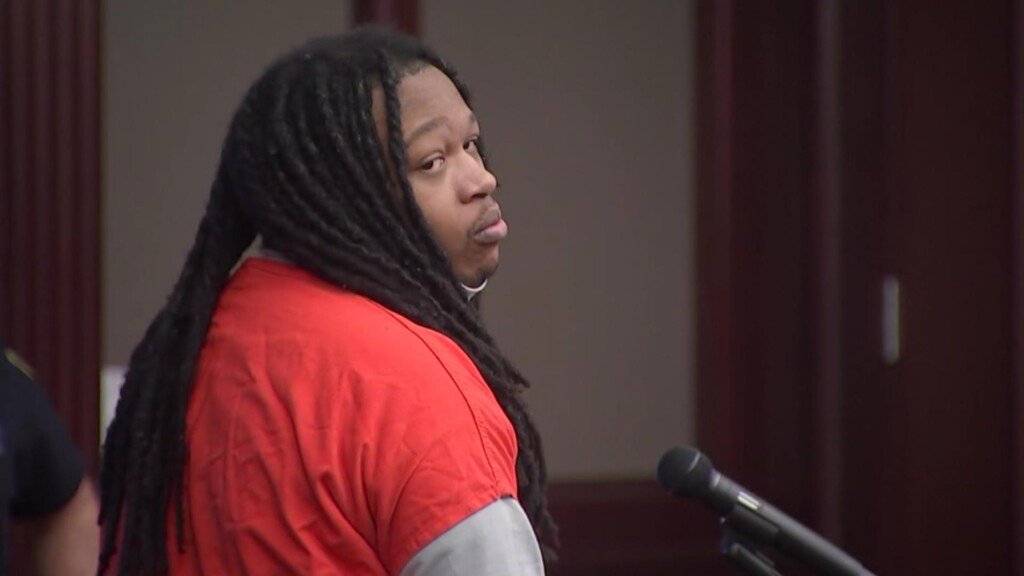
Legal Context and Defense Challenges:
Robinson Sr. was initially arrested as an accessory after the fact in McCormick’s murder. Reports indicate he was offered leniency or a plea deal in exchange for his cooperation, and he testified that he “would not receive [his] plea deal if I did not identify the killer as my son.” The defense is actively challenging his credibility, arguing that he had a motive to lie, that his testimony was a result of a deal, and that emotional pressure or health incentives may have influenced his statements.
Implications and Risks
- Strength for the Prosecution: A parent’s testimony identifying their child as the perpetrator is incredibly powerful from a jury’s perspective. The prosecution can portray Robinson Sr. as someone prioritizing truth and justice over family loyalty.
- Credibility Issues for the Defense: The plea deal angle allows the defense to paint Robinson Sr. as a witness under duress or bribed, potentially sowing doubt among jurors. His emotional testimony could be viewed in different ways, with some sympathizing with his burden while others question his objectivity. His health claims, while compelling, could also be seen as strategic.
- Narrative and Optics: In hip-hop and rap culture, a father “snitching” on his own son is a highly publicized event that will draw significant criticism and scrutiny from fans, artists, and communities that already distrust the system. This situation transcends legal facts, becoming a powerful narrative that people will strongly react to, either as a betrayal or a moral stand.
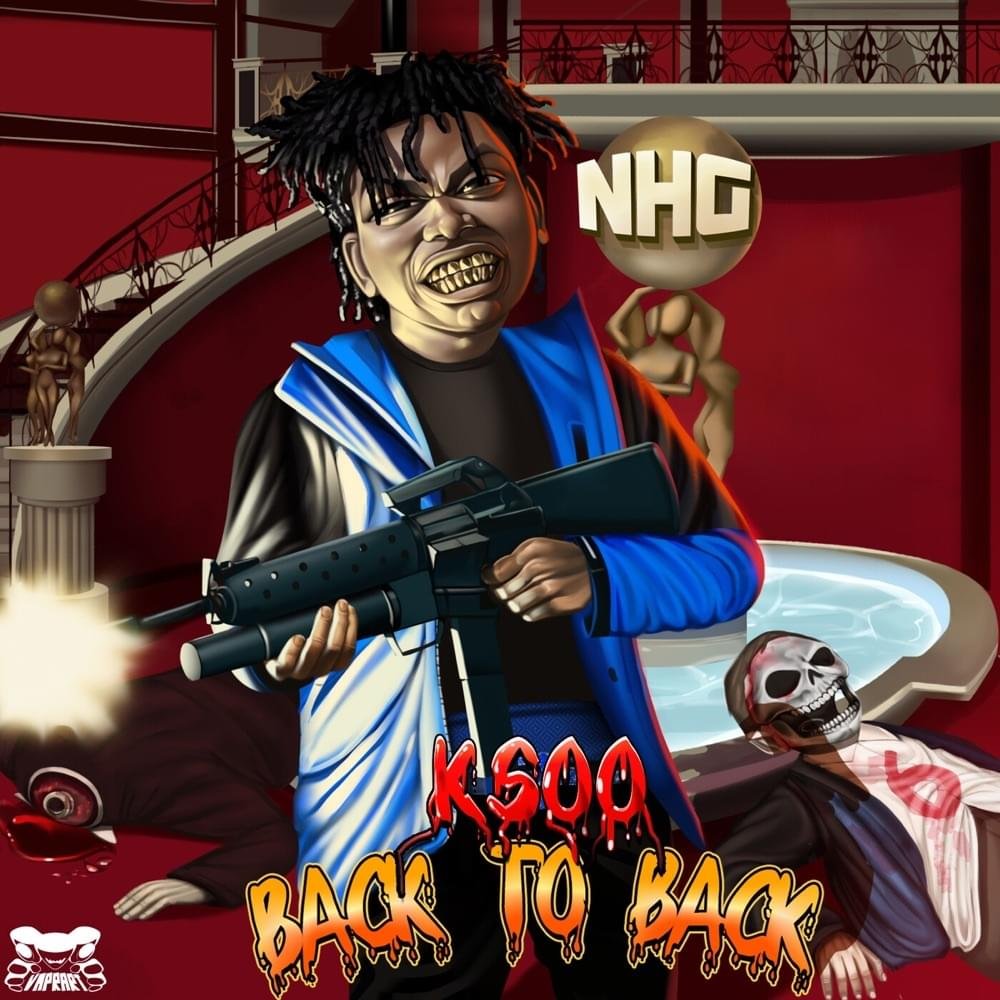
This whole situation with Ksoo, his dad, and the life sentence is a really complicated story. It makes you think about what’s more important: family loyalty or telling the truth in court. As Ksoo’s lawyers try to appeal his sentence, people will keep talking about his dad’s tough choice and what it means for everyone involved. It’s a powerful story that makes us wonder about family, justice, and what happens when those two things clash. What do you think about Abdul Robinson Sr.’s decision?
Customer Reviews
Thanks for submitting your comment!